Shining A Light On Mental Health During Suicide Prevention Month
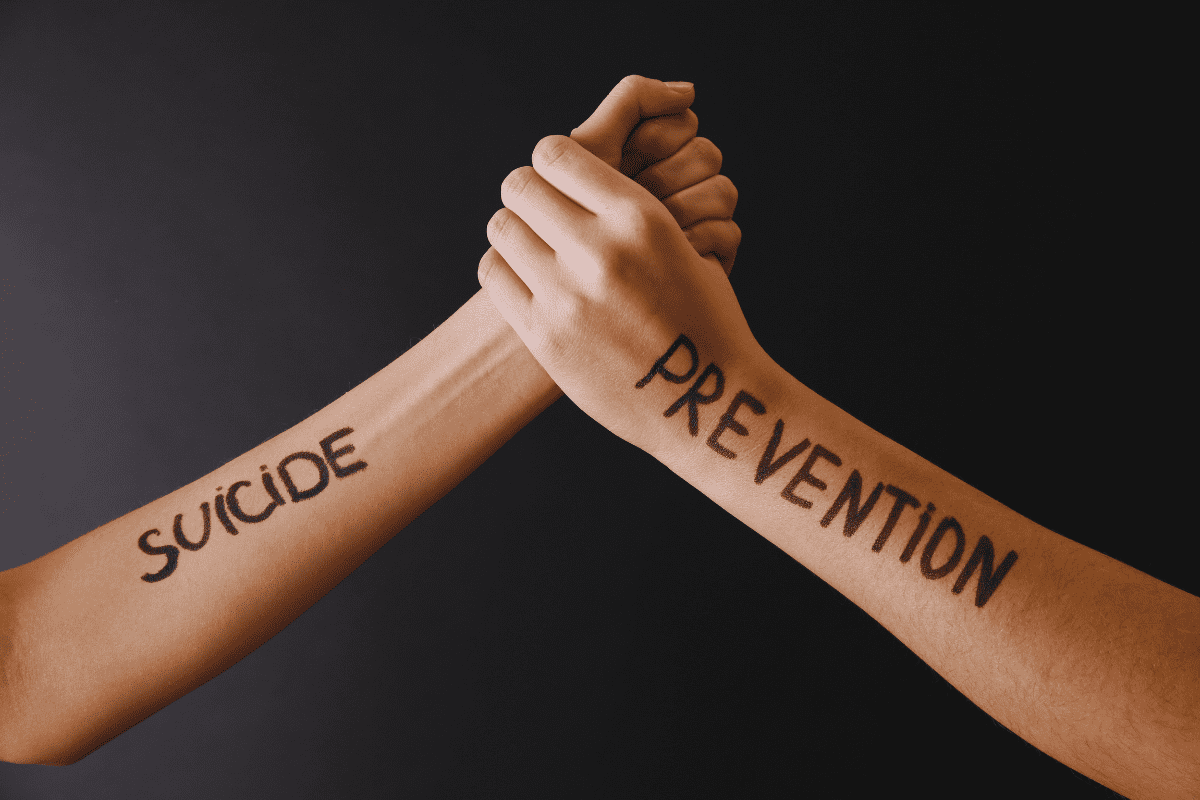
If you or a loved one is struggling with thoughts of suicide, call or text the Suicide and Crisis Hotline at 988.
September is National Suicide Prevention Month, a time dedicated to raising awareness, breaking stigma, and reminding individuals that hope and help are always within reach. At The Crane Center, we believe in fostering open conversations about mental health and ensuring no one feels alone. By learning the signs, understanding the challenges, and supporting those around us, we can work together to save lives.
If you're dealing with anxiety, depression, PTSD, or a treatment plan that just isn�t working � we solve with ketamine therapy and behavioral health care built around you.
Text (844) 909-4156 ?What is Suicide Prevention Month, and Why Is It Important?
Suicide Prevention Month serves as a vital reminder of the importance of mental health awareness and intervention. It�s not only about remembering those we�ve lost, but also about reaching out to those who may be silently struggling. This national movement helps communities strengthen connections and reduce stigma surrounding mental health challenges by creating space for education and support.
What Issues Does Suicide Prevention Month Highlight?
Rising Suicide Rates and Public Health Impact
Suicide remains one of the leading causes of death in the United States. Overall, suicide was the 11th leading cause of death, with over 49,000 people dying across the country. Since 2002, it is estimated that suicide has increased by 30 percent and continues to trend upward.
Warning Signs Of Suicide
It is not always obvious that someone is struggling, but knowing the warning signs can help you be supportive. If you notice the following behaviors, you may want to encourage professional intervention:
- Expressing hopelessness about the future
- Talking about being a burden to others
- Talking about feeling trapped
- Increasing use of alcohol or drugs
- Sleeping too little or too much
- Withdrawing or feeling isolated
- Or displaying extreme mood swings
Get emotional support from the Suicide and Crisis Hotline: 988
Risk Factors For Suicide
Suicide Prevention Month also highlights risk factors associated with suicide. Although suicide does not discriminate between age, race, or gender, there are certain scenarios that may increase the risk:
1. Mental Health Conditions
- Depression, bipolar disorder, schizophrenia, and anxiety disorders significantly increase risk.
- Untreated or poorly managed substance use disorders (alcohol, opioids, etc.) also play a major role.
- Co-occurring mental health and substance use disorders amplify risk even further.
2. Previous Suicide Attempts & Self-Harm
- A history of prior suicide attempts is one of the strongest predictors of future suicide risk.
- Engagement in self-harming behaviors, even if not intended as suicidal, can indicate increased vulnerability.
3. Personal & Family History
- Family history of suicide, mental illness, or substance abuse.
- Histories of abuse, neglect, or trauma (especially childhood trauma).
- Exposure to suicide (friends, peers, or media coverage) can increase risk through a phenomenon called suicide contagion.
4. Medical Factors
- Chronic pain or serious medical conditions (e.g., cancer, neurological disorders, HIV/AIDS).
- Traumatic brain injuries and other neurological impairments can also affect mood and impulse control.
5. Social & Environmental Stressors
- Isolation and loneliness, lack of social support.
- Relationship problems such as divorce, breakup, or family conflict.
- Financial stress, job loss, or housing instability.
- Exposure to bullying, harassment, or discrimination (including LGBTQ+ stigma).
6. Demographic & Cultural Factors
- Men are more likely to die by suicide, though women attempt more frequently.
- Adolescents and young adults face heightened risk due to developmental and social pressures. Tragically, suicide was the second leading cause of death among children aged 10-13 in 2022.�
- Elderly individuals, particularly men, are also at increased risk, often tied to health decline and isolation.
- Cultural stigma around seeking mental health care can increase vulnerability.
For immediate support, text or call the Suicide and Crisis Hotline at 988
Breaking the Stigma Around Mental Health
Too often, people suffer in silence due to the stigma surrounding mental health. Suicide Prevention Month calls attention to the need for compassion and understanding, encouraging open dialogue without judgment.
Access to Help and Resources
Access to mental health resources is crucial. Suicide Prevention Month shines a spotlight on hotlines, therapy options, and medical treatments that can provide immediate and long-term support.
Support Systems and Community Role
Family, friends, and community networks play a key role in preventing suicide. Offering a listening ear, showing patience, and encouraging professional support can make a life-saving difference.
Myth-Busting and Education
Misconceptions about suicide, such as the belief that asking someone about it may encourage the act, can be harmful. Education during Suicide Prevention Month helps dismantle these myths and promote proactive, safe conversations.
Hope and Recovery
Most importantly, Suicide Prevention Month is about hope. With the right resources, treatment, and support, recovery is possible. Many people who once felt hopeless have found healing and purpose again.
You are not alone, and help is available. If you or a loved one is struggling with thoughts of suicide, call or text the Suicide and Crisis Hotline at 988.
How Can I Be Supportive During Suicide Prevention Month?
Raise Awareness & Reduce Stigma
- Share educational content on social media about suicide risk factors, warning signs, and resources like the 988 Suicide & Crisis Lifeline.
- Use your platform, whether that�s a blog, workplace bulletin, or community event, to encourage open conversations about mental health.
- Wear or share symbols of awareness, such as the purple and turquoise ribbon, or place a �You Matter� sign in your front yard.
Support Loved Ones
- Check in regularly with friends, family, and coworkers, especially those who may seem isolated or are acting out of character. Sometimes a simple �How are you doing, really?� can open the door.
- Practice active listening without judgment or immediately offering solutions.
- If someone shares that they�re struggling, encourage them to seek help, and offer to assist in finding resources.
Promote Mental Health Resources
- Share local and national helplines, crisis centers, and support groups.
- Advocate for better access to counseling and mental health care in your workplace, school, or community.
- If comfortable, share personal experiences to normalize reaching out for help.
Participate in Community Events
- Join or support suicide prevention walks, fundraisers, or vigils organized by groups like the American Foundation for Suicide Prevention (AFSP).
- Volunteer with crisis hotlines or local organizations that provide peer support.
- Encourage schools and workplaces to host awareness events, workshops, or mental health first aid training.
Advocate for Policy Change
- Support legislation that improves access to mental health services, funds crisis lines, and addresses social determinants of health.
- Promote safe firearm storage and medication disposal programs, which reduce access to lethal means.
Take Care of Yourself
- Model healthy behaviors by prioritizing your own mental well-being. Rest, exercise, set healthy boundaries, and seek help when needed.
- Recognize that preventing suicide also means building communities of resilience and compassion.
Destin Psychiatric Services
At The Crane Center in Destin, we know mental health struggles can be overwhelming for both the patient and their loved ones. We also understand that no two patients are alike, which is why we use a holistic approach that combines traditional methods with innovative treatments, such as ketamine therapy. This therapy has been specifically approved by the FDA for acute suicidal ideation and has saved many lives. Studies have shown that this drug can significantly reduce symptoms of severe depression with thoughts of suicide in as little as four hours. If you or a loved one is in need of support, don�t wait. Our team is here to help guide you toward healing and recovery.