How Different Types Of Cholesterol Affect The Body
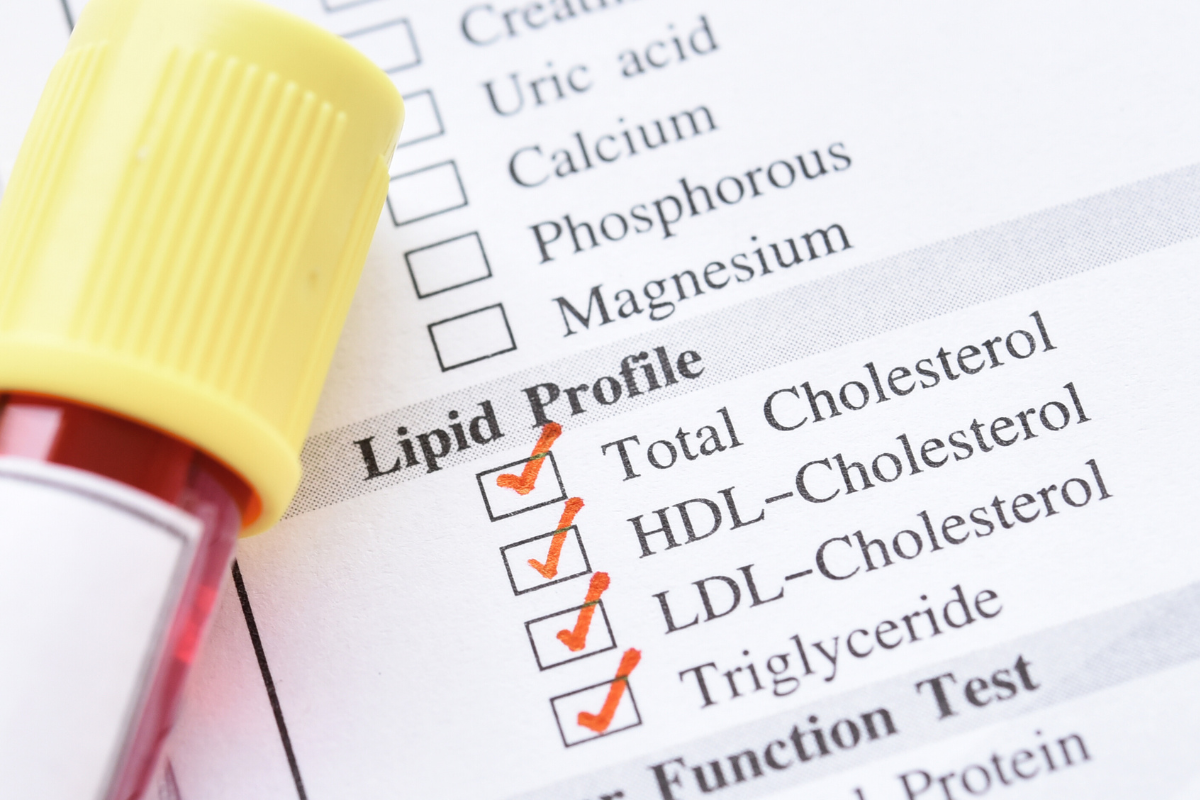
Cholesterol gets a bad rap, but it�s actually a waxy, fat-like substance your body needs to function. Your liver produces cholesterol naturally, and you also get some from the foods you eat, especially animal-based foods like meat, eggs, and dairy. Cholesterol plays a key role in building cell membranes, producing hormones (like estrogen and testosterone), and helping your body make vitamin D. The problem isn�t cholesterol itself, it�s too much of the wrong kind circulating in your bloodstream. Keep reading to learn about the different types of cholesterol and which ones to worry about.
If you're dealing with rushed appointments and a doctor who never has time for your real questions � we solve with concierge primary care with Dr. Tuel, built on actual access.
Text (844) 909-4156 ?Types Of Cholesterol
Cholesterol comes in different forms, and some are actually protective.
- LDL (low-density lipoprotein) is often called �bad� cholesterol because high levels can lead to plaque buildup in your arteries.
- HDL (high-density lipoprotein) is known as �good� cholesterol because it helps remove excess cholesterol from your bloodstream.
- VLDL (very low-density lipoprotein) carries triglycerides through the bloodstream. Like LDL, high VLDL levels can contribute to plaque buildup. VLDL isn�t always listed separately on lab reports, but it�s often estimated based on triglyceride levels.
When we say �high cholesterol,� then, we don�t mean high HDLs (that�s a good thing). Rather, a diagnosis of high cholesterol entails a high level of total cholesterol and/or elevated LDLs.
What Causes A Spike In Unhealthy Types Of Cholesterol?
High cholesterol usually develops over time and is often influenced by a mix of lifestyle, medical, and genetic factors. Understanding the cause helps guide the most effective treatment.
Dietary factors play a major role. Diets high in saturated fats, trans fats, and refined carbohydrates can raise LDL cholesterol and triglycerides. These fats are commonly found in fried foods, processed snacks, baked goods, fatty cuts of meat, and full-fat dairy products.
Physical inactivity can also contribute. Regular exercise helps increase HDL (good) cholesterol and lowers LDL and triglycerides. A sedentary lifestyle allows unhealthy cholesterol levels to build up more easily.
Weight and metabolism matter as well. Being overweight or obese, especially carrying excess weight around the abdomen, is linked to higher LDL and triglyceride levels and lower HDL levels.
Smoking and alcohol use impact cholesterol in different ways. Chemicals in smoke, like acrolein, actually prevent HDL from carrying LDL back to the liver. Smoking also causes high blood pressure, which damages blood vessels and makes plaque buildup more likely. Excessive alcohol intake can significantly raise triglycerides.
Underlying medical conditions such as diabetes, metabolic syndrome, kidney disease, and hypothyroidism can interfere with how the body processes fats and cholesterol.
Genetics may be the driving factor for some people. Conditions like familial hypercholesterolemia cause very high LDL levels even in individuals who eat well and exercise. If high cholesterol runs in your family, earlier and more frequent screening is especially important.
How Do You Test For Different Types Of Cholesterol?
Cholesterol is tested with a simple blood test called a lipid panel or lipid profile. This test measures several types of fats in your blood, including LDL, HDL, triglycerides, and total cholesterol.
In many cases, the test is done after fasting for 8-12 hours, especially if triglycerides need to be accurately measured. Some modern tests may be done without fasting, depending on your provider�s recommendation and your overall risk.
Blood is typically drawn from a vein in your arm and sent to a lab for analysis. Results are usually available within a few days, and your provider will review them with you to explain what the numbers mean in the context of your age, health history, and risk factors.
If results are abnormal, follow-up testing may be recommended to confirm the findings or monitor how well treatment is working.
Understanding Your Cholesterol Blood Test Results
A standard lipid panel evaluates the levels of different types of cholesterol circulating in your blood. These include:
LDL Cholesterol
LDL contributes to plaque buildup in the arteries, increasing the risk of heart attack and stroke. Lower numbers are generally better.
- Optimal: Less than 100 mg/dL
- Borderline high: 130-159 mg/dL
- High: 160 mg/dL or higher
HDL Cholesterol
HDL helps transport cholesterol back to the liver for removal. Higher levels are protective.
- Ideal: 60 mg/dL or higher
- Low (higher risk): Less than 40 mg/dL for men, less than 50 mg/dL for women
Triglycerides
Triglycerides are a type of fat in the blood that store unused calories. High levels are often linked to diet, weight, and blood sugar control.
- Normal: Less than 150 mg/dL
- High: 200 mg/dL or higher
Total Cholesterol
This number combines LDL, HDL, and other lipid components.
- Desirable: Less than 200 mg/dL
- High: 240 mg/dL or higher

*Healthy levels vary slightly depending on age, gender, and background. Your doctor will interpret your results with you and provide additional guidance.
Are There Ever Any Symptoms of High Cholesterol?
Usually, no. High cholesterol is often called a �silent condition� because it typically causes no symptoms until it leads to serious problems like heart disease or stroke. That�s why routine screening is so important.
When and How Often Should You Check Cholesterol Levels?
General guidelines recommend:
- First screening between ages 9-11
- Second screening between ages 17-21
- Every 4-6 years onwards for healthy adults�
- More frequent testing if you have risk factors, heart disease, diabetes, or are on cholesterol-lowering medication
Your provider may recommend a different schedule based on your personal risk.
How Do You Treat High Cholesterol?
Treatment often starts with lifestyle changes, including:
- Eating a heart-healthy diet (less saturated fat, more fiber)
- Exercising regularly
- Losing excess weight
- Quitting smoking
If lifestyle changes aren�t enough, medications like statins may be recommended to lower LDL and reduce cardiovascular disease risk.
Heart Health Screenings in Destin, FL
Preventive care is one of the best ways to support your health. At our primary care clinic in Destin, Fl, we will help you decide when it is time to check your cholesterol and offer guidance and treatment options, if necessary. In many cases, our doctor can see you the same day for added convenience. Simply text our office today to get started.