Does Ketamine Help Migraines?
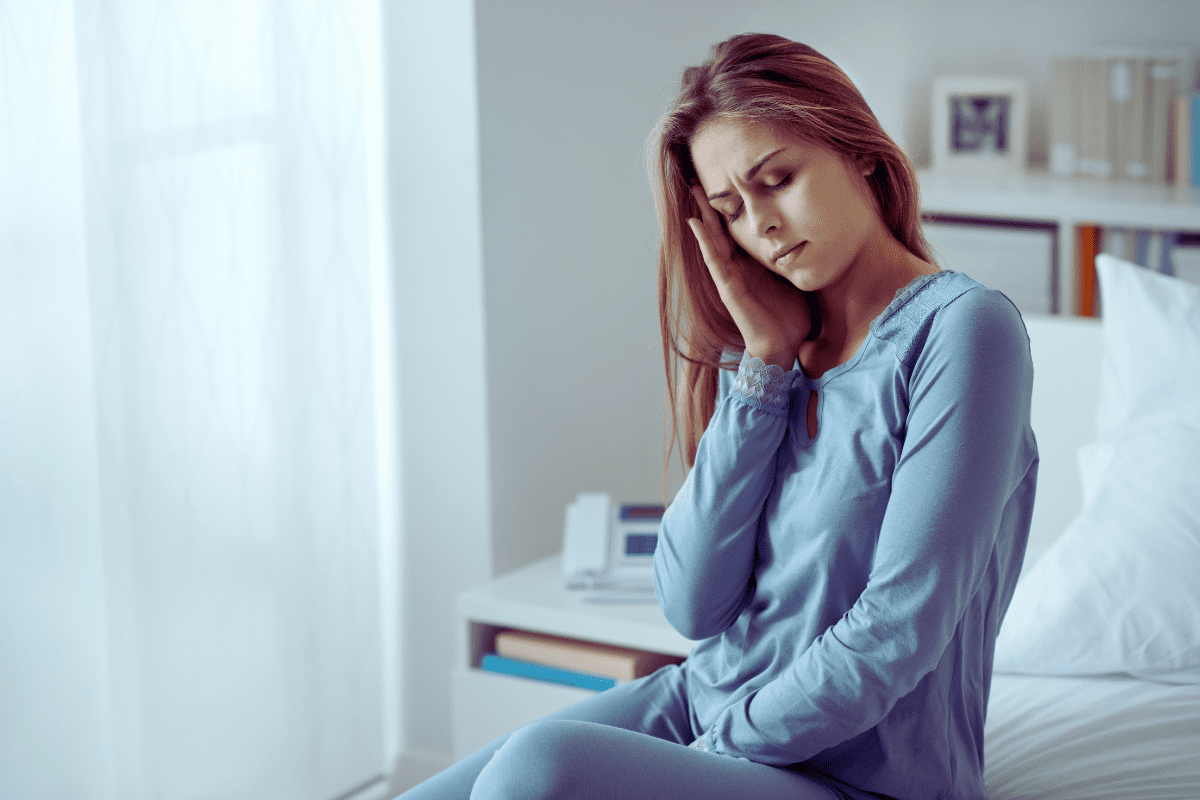
Migraines affect millions worldwide and are often confused with regular headaches. However, the nature, symptoms, and treatment of migraines are very different from general headaches. Continue reading to learn the difference between migraines and headaches and how innovative treatments like ketamine therapy are offering new paths to long-lasting relief.
If you're dealing with anxiety, depression, PTSD, or a treatment plan that just isn�t working � we solve with ketamine therapy and behavioral health care built around you.
Text (844) 909-4156 ?What Are Migraines?
Migraines are a type of headache disorder marked by recurrent attacks. They are thought to involve genetic, environmental, and neurological factors. During a migraine attack, there is a temporary change in the brain's chemicals, nerves, and blood vessels, leading to severe pain and associated symptoms.
The Difference Between Migraines and Headaches
Headaches and migraines are often confused, but they are quite different. A headache typically involves a dull, aching pain in the head, which stress, tension, sinus issues, or dehydration can cause. These headaches can be severe but are generally manageable with over-the-counter medications and lifestyle changes.
Migraines, however, are a more complex neurological condition with intense, throbbing pain, often on one side of the head. They're accompanied by additional symptoms such as nausea, vomiting, and sensitivity to light and sound. Migraines can last hours or even days and can significantly impair a person's ability to perform daily activities.
Symptoms of Migraine Headache
Migraine symptoms can be different from person to person, but common features include:
- Intense, throbbing, or pulsating pain, usually on one side of the head.
- Sensitivity to light, sound, and sometimes smells.
- Nausea and vomiting.
- Visual disturbances or auras, such as flashes of light or blind spots.
- Tingling in the arms or legs.
- Fatigue and dizziness.
- Difficulty concentrating.
These symptoms can precede the headache, occur during the headache phase, and even persist after the pain subsides.
How Does Ketamine for a Migraine Work?
Ketamine has traditionally been used as an anesthetic in the operating room. In recent years, however, smaller doses of the drug have demonstrated remarkable efficacy in a wide range of physical and mental health issues. In addition to treatment-resistant depression, anxiety, PTSD, chronic pain, and other disorders, ketamine has emerged as a potential treatment for migraines.
Ketamine functions by blocking certain receptors in the brain, most notably the NMDA receptor. Among other effects, inhibiting this particular receptor stops certain pain signals from being transmitted to the brain. In this way, ketamine can help to alleviate the intense pain associated with migraines and reduce the frequency of attacks. Additionally, ketamine's effects on glutamate, a neurotransmitter involved in pain and mood regulation, can contribute to its efficacy in treating migraines.
Is Ketamine for Migraines Safe?
Ketamine has been shown to be safe when administered at the proper dosage and under medical supervision. However, like any medication, it can have side effects. Some of these side effects include:
- Drowsiness
- Dizziness
- Nausea
- Altered sense of time or space
These effects are typically mild and temporary, and fairly minimal compared to the long list of side effects associated with traditional treatments for migraines (see below).
What Is the Usual Treatment for Migraine?
If over-the-counter pain relievers, such as ibuprofen or acetaminophen, do not prove effective, triptans have historically been the �go-to� treatment for migraine. Triptans are a class of drugs that act on serotonin receptors in the brain, causing blood vessels to constrict and producing an anti-inflammatory effect. While triptans can be effective in treating moderate-to-severe migraines, they can also have quite a few unpleasant side effects. These include:
- Drowsiness/fatigue
- Palpitations
- Flushing
- Shivering
- Dizziness
- Nausea
- Tingling
- Dry Mouth
- Heaviness of arms and legs�
Triptans are not effective at preventing migraines, only stopping them once they have already started, and they do not treat any other type of pain. Ketamine, on the other hand, has the potential to address not only the pain associated with migraine but comorbid conditions as well. For example, a study found that individuals with migraines and bipolar disorder found ketamine more effective than those without a concurrent mental health issue.
Who Should Not Take Ketamine for Migraine?
Ketamine is not suitable for everyone. Those who should avoid ketamine include:
- Individuals with a history of substance abuse or dependence.
- Those with uncontrolled high blood pressure or heart disease.
- Pregnant or breastfeeding women.
- Those with uncontrolled hyperthyroidism
A thorough medical evaluation is important before starting ketamine therapy to ensure it is a safe and appropriate treatment option. Talk to your doctor if you want to try Ketamine therapy for your migraines.
Ketamine-Assisted Therapy in Destin
For those in Destin, FL, seeking relief from migraines, The Crane Center offers ketamine-assisted therapy. This innovative treatment provides a promising alternative to traditional migraine therapies. At The Crane Center, professional and supervised ketamine treatments are tailored to individual needs, ensuring a comprehensive approach to managing migraines and many other health concerns. Schedule an appointment at our Destin, FL, or Inlet Beach, FL locations and get started feeling better today.