Dealing With Anxiety In Menopause
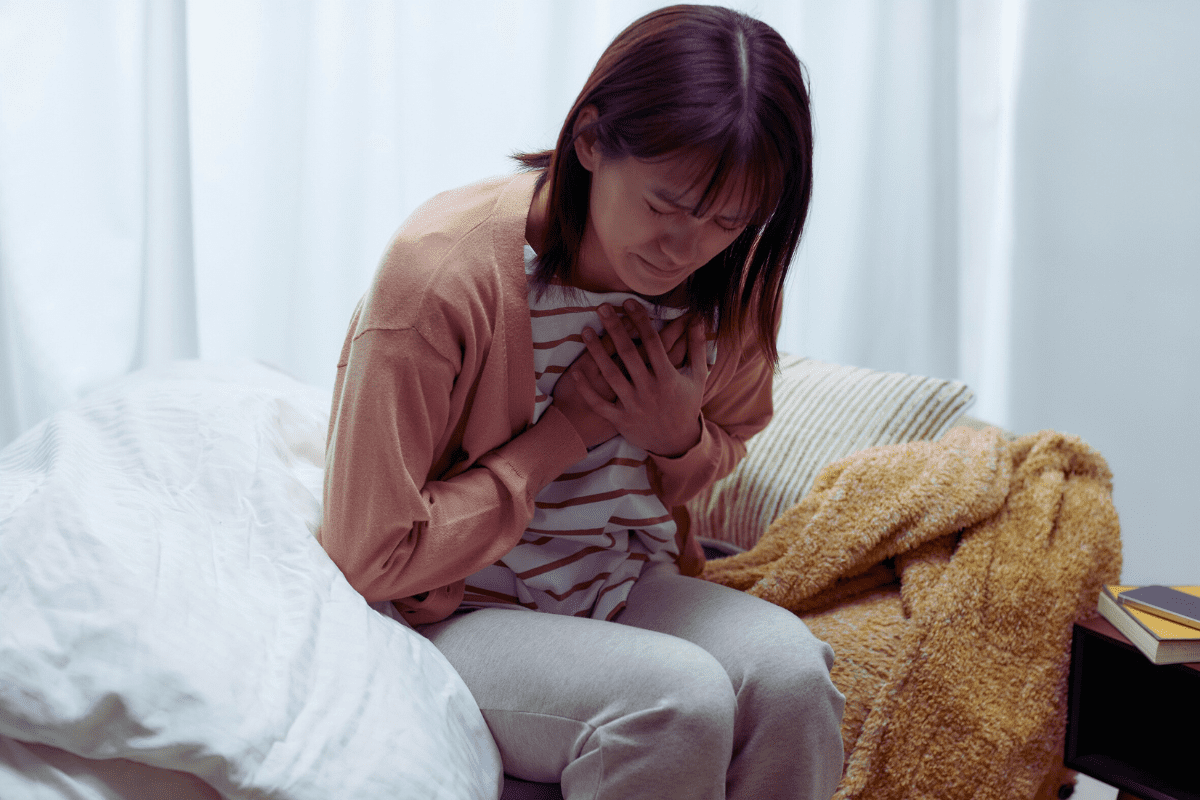
Menopause brings many changes to the body, but one of the most surprising symptoms for many women is anxiety. While hot flashes and night sweats are commonly discussed, emotional and mental health symptoms are often overlooked. Many women find themselves feeling unusually worried, restless, overwhelmed, or even experiencing new-onset panic attacks during perimenopause and menopause. But you don�t have to suffer in silence! Anxiety in menopause is both common and treatable, alongside other bothersome symptoms of hormonal fluctuations.�
If you're dealing with hormone changes, or you're just ready for a refresh � we solve with a women's aesthetics team that listens before it treats.
Text (844) 909-4156 ?What�s The Link Between Menopause And Anxiety, Anyway?
The connection between menopause and anxiety largely comes down to changing hormone levels. During perimenopause and menopause, estrogen and progesterone levels begin to fluctuate and eventually decline. These hormones do much more than regulate reproduction: they also play a major role in brain function and mood regulation (and virtually every other bodily function, for that matter).
As far as mood, though, estrogen helps influence serotonin and dopamine, which are neurotransmitters responsible for mood stability and feelings of well-being. Progesterone has a calming effect on the nervous system and can help promote relaxation and better sleep. When these hormones drop, many women notice increased irritability, mood swings, sleep disturbances, and heightened anxiety. These changes can be gradual or sudden and severe, depending on how rapidly your hormones are fluctuating.
Additionally, physical menopause symptoms like insomnia, hot flashes, heart palpitations, and fatigue can create a cycle that worsens anxious feelings. Poor sleep alone can significantly increase stress and emotional sensitivity.
Can Menopause Worsen Existing Anxiety?
Menopause can absolutely worsen existing anxiety. Women who have a history of generalized anxiety, panic disorder, or depression may find that symptoms become more intense during perimenopause and menopause. Even women who have never struggled with anxiety before may suddenly experience symptoms for the first time. This can be confusing and frustrating, especially when there is no obvious external trigger.
Hormonal shifts can make the nervous system feel more reactive, meaning everyday stressors may feel harder to manage. Career demands, caregiving responsibilities, aging parents, changing family dynamics, and concerns about physical aging can also overlap with menopause and compound emotional stress.
What Does Menopausal Anxiety Feel Like?
Menopausal anxiety can manifest differently for everyone, but symptoms generally overlap with general anxiety. You may notice things like:
- Constant worrying or panic-inducing thoughts
- Shortness of breath, tightness in the chest, or feeling like you can�t take a full breath
- Increased irritability or emotional sensitivity
- Restlessness or feeling �on edge�
- Trouble falling and/or staying asleep
- Heart racing
- Difficulty concentrating
- Memory issues
- Teeth grinding
- Fidgeting
- Agoraphobia (not wanting to leave the home or a designated �safe space�)
Certain physical symptoms, especially if they are unusual for you, may also signal anxiety. For example, pins-and-needles sensations in the arms and legs, a feeling of a lump in the throat, stomach aches, tremors, and muscle tension have all been linked to anxiety. These symptoms are not exclusively caused by anxiety, of course, but they can be.
Will Menopausal Anxiety Go Away?
There is no single timeline for when menopause and anxiety symptoms will resolve. For some, symptoms are temporary and improve during the transition into postmenopause. For others, anxiety may continue, especially without proper treatment and support.
Factors like overall health, stress levels, lifestyle habits, thyroid function, adrenal health, and pre-existing anxiety disorders can all influence how long symptoms last. Women who already struggled with anxiety before menopause may find that symptoms take longer to improve.
The good news is that menopause-related anxiety is highly treatable. With the right combination of hormone support, lifestyle changes, stress management, and personalized medical care, many women experience significant relief and feel more like themselves again.
How Do I Know My Anxiety Is Caused by Menopause?
It can be difficult to determine whether anxiety is caused by menopause, life stress, or another health condition. However, there are some signs that hormonal changes may be involved. You may suspect menopause and anxiety are connected if:
- Anxiety began during your late 30s, 40s, or early 50s
- Symptoms appeared alongside irregular periods
- You also experience other symptoms of menopause, such as hot flashes or night sweats, sleep problems, or brain fog
A comprehensive hormone evaluation can help identify whether estrogen, progesterone, testosterone, thyroid function, or adrenal health may be contributing to symptoms.
What Are The Treatment Options For Menopause And Anxiety?
Treatment for menopause-related anxiety is not one-size-fits-all. Hormonal changes affect each woman differently, and effective care often involves a personalized combination of medical, lifestyle, and emotional support. The goal is not only to reduce anxiety symptoms, but also to improve overall quality of life during this important transition. At The Crane Center, or women�s healthcare specialist may recommend one or more of the following to ease your symptoms:
Bioidentical Hormone Replacement Therapy (BHRT)
Bioidentical Hormone Replacement Therapy (BHRT) is often the first consideration for women whose anxiety symptoms are clearly linked to hormonal fluctuations during perimenopause or menopause. BHRT uses plant-derived hormones that are chemically identical to those the body naturally produces, which generally means they are better tolerated and may have fewer side effects than synthetic options. BHRT is also compounded, which means each formulation is customized for optimal dosing and tolerance.
In addition to improvements in mood, BHRT may also help with other common menopausal symptoms such as hot flashes, night sweats, and brain fog�all of which can contribute to and/or worsen stress and anxiety. Of course, any hormone therapy should be carefully evaluated and monitored by a qualified healthcare provider to ensure it is appropriate for an individual�s health history and symptoms.
Lifestyle Changes
Lifestyle adjustments form the foundation of anxiety management during menopause and can significantly reduce symptom severity. For example, regular physical activity helps regulate stress hormones like cortisol while increasing endorphins that naturally improve mood and resilience. Even moderate exercise, such as walking, strength training, yoga, or swimming, can have a meaningful impact.
Nutrition also plays a huge role. Eating balanced meals that support blood sugar stability and overall hormone health may help reduce anxious feelings and energy crashes.
Improving sleep habits is equally important, as poor sleep can worsen anxiety and emotional sensitivity. Establishing calming nighttime routines, limiting caffeine and alcohol, and prioritizing rest can make a noticeable difference.
And don�t forget a little me-time! Engaging in hobbies, creative outlets, or social connections can further support emotional well-being and provide a sense of enjoyment and purpose during this life stage.
Counseling and Stress Management
Counseling and stress-management practices can be especially valuable for women experiencing increased worry, panic, or emotional overwhelm during menopause. Therapy provides a safe space to process both the physical changes of menopause and the emotional challenges that may arise alongside them, such as changes in identity, relationships, or confidence.
Mindfulness-based practices, cognitive behavioral therapy (CBT), breathing exercises, and meditation can help calm the nervous system and reduce the intensity of anxious thoughts. These approaches teach practical skills for managing stress, improving emotional regulation, and building resilience during hormonal transitions. Many women find that counseling helps them feel more empowered, understood, and equipped to navigate menopause with greater ease.
Medication When Needed
In some cases, medication may be an appropriate and effective part of treatment for menopausal anxiety, particularly when symptoms are significantly interfering with daily functioning or quality of life. Anti-anxiety medications or antidepressants may be recommended when lifestyle changes and therapy alone are not enough.
These medications are typically most effective when used as part of a broader, comprehensive care plan rather than as a standalone solution. A healthcare provider can help determine whether medication is appropriate, discuss potential benefits and side effects, and ensure that treatment is carefully monitored and adjusted as needed.
Hormone Replacement Therapy Destin
If you are struggling with menopause and anxiety, you don�t have to simply �push through� it. Hormonal changes can have a major impact on your mental and physical well-being, but effective treatment is available. At The Crane Center, we provide personalized testing and customized hormone replacement therapy in Destin to help women feel balanced, energized, and in control again. Our team takes the time to understand your symptoms and create a treatment plan designed for your unique needs. If menopause anxiety is interfering with your daily life, contact us to learn how BHRT can help you feel like yourself again.