Chin Filler in Destin
A well-defined chin plays an important role in facial harmony. For individuals who feel their chin is recessed, asymmetrical, or otherwise lacking definition, chin filler is a fantastic, non-surgical solution that can provide immediate results without the cost and downtime associated with more invasive procedures.
If you're dealing with hormone changes, or you're just ready for a refresh � we solve with a women's aesthetics team that listens before it treats.
Text (844) 909-4156 ?What Issues Can Chin Filler Help With?
Chin filler is exceptionally versatile and can be used to address a wide variety of concerns:
A �Weak� Or Recessed Chin
A recessed chin, medically known as retrognathia, happens when the chin sits too far back in relation to the rest of the face. This can create the appearance of a less defined profile and may make the nose appear more prominent than it actually is. Chin filler can gently bring the chin forward to improve facial proportions and create a stronger, more balanced side profile.
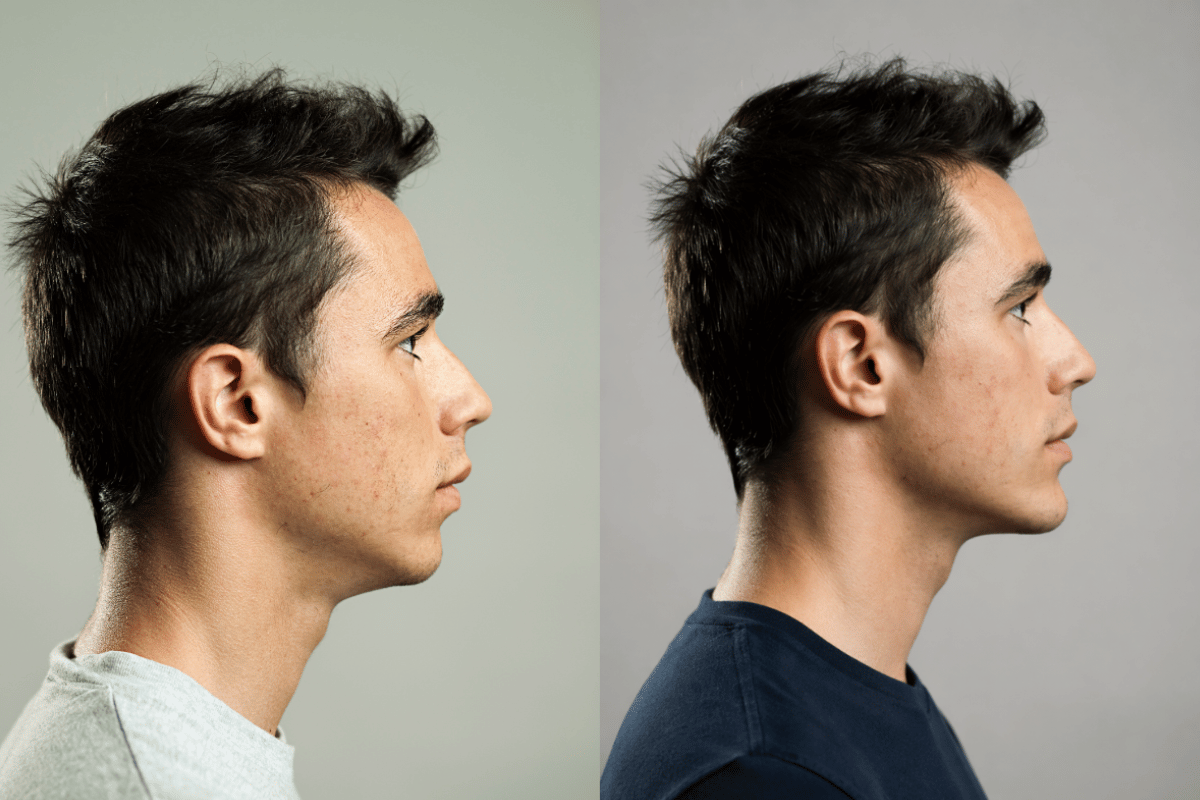
Lack of Chin Projection
Even in the absence of a true recession, some individuals naturally have a chin that lacks forward projection. This can cause the lower face to appear underdeveloped or less defined. Dermal filler can be placed precisely to build out the chin and create a subtle, yet noticeable, projection that enhances facial definition while still looking natural and proportional.
Jaw Balance
The chin plays an important role in framing the jawline. When chin structure is weak or lacks definition, the jawline can appear soft or even blurred. By enhancing the chin�s shape and adding subtle volume, fillers can create a more sculpted transition between the chin and jawline. This results in improved lower-face contouring, giving a sharper, more refined appearance.
Cleft Chin
A cleft chin, which is a natural indentation or dimple in the center of the chin, is a common genetic trait. While some people embrace this feature, others may feel it disrupts the smoothness or symmetry of the lower face. Chin filler can be used to soften or minimize the appearance of a cleft by filling in the indentation and creating a more even contour.

Age-Related Volume Loss In The Lower Face
As we age, the lower face naturally loses volume due to changes in bone density, fat distribution, and skin elasticity. This can lead to a shorter-looking chin, sagging skin, and overall loss of definition. Chin filler can help counteract these effects by restoring volume, supporting surrounding tissues, and subtly lifting the lower face.
What Type Of Filler Is Used For The Chin?
Most dermal fillers use hyaluronic acid fillers. Hyaluronic acid is a natural substance found in the body. It helps maintain moisture and volume in the skin. The type of fillers we use at The Crane Center are:
- Juv�derm�
- Restylane��
- RHA�
These fillers are designed to provide structure and support, making them well-suited for enhancing the chin and jawline. During your consultation we�ll recommend the most appropriate product based on your anatomy, desired results, and treatment goals.
How Long Does Chin Filler Last?
Chin filler is a temporary treatment, but results are relatively long-lasting compared to other areas of the face since it isn�t an area that moves frequently. Most patients can expect their results to last anywhere from 12 to 18 months, depending on the type of filler used, individual metabolism, and lifestyle factors, such as smoking, sun exposure, and heavy exercise. Regardless, the filler will eventually be absorbed, but periodic touch-ups can help maintain your results over time.
What Should I Expect During A Chin Filler Consultation?
A consultation is the first step in determining whether chin filler is right for you. During your appointment, we�ll:
- Review your medical history
- Discuss your aesthetic goals
- Examine your facial proportions and profile
- Evaluate chin projection and symmetry
- Recommend an appropriate treatment plan
- Explain expected outcomes and potential risks
- Answer any questions you may have
At the end of your consultation, if you want to move forward with treatment, we�ll book your appointment and give you �before you come� instructions. There is not much you need to do to prepare. Generally, we recommend you stop blood thinners (NSAIDs and alcohol) 48 hours beforehand to minimize bruising, and to arrive without makeup.
Should You Get Chin and Jaw Filler Together?
The chin and jawline do work together to define the lower face. Enhancing only one area might not always provide optimal facial harmony. In many cases, combining chin and jaw filler can produce more natural-looking results.
However, not everyone will benefit from both treatments. During your consultation we can determine if both treatments are best suited for your goals.
Advantages Of Chin Filler vs Chin Implant
- Little to no downtime: You can go about business as usual immediately following chin filler. We recommend only that you avoid strenuous exercise for a couple of days.�
- Non-surgical: Chin filler is a minimally invasive procedure that requires no incisions, stitching, or lengthy recovery. The worst you can expect is minor swelling and bruising that will improve in a few days.
- Immediate results: Again, you may notice minor swelling or bruising, but you will also appreciate an immediate improvement in your chin�s appearance. It takes far longer for the swelling and bruising to go away from a surgery, and you will have stitches to remove. The bandage itself often remains for at least two weeks.
- Lower upfront cost: The average cost of filler is around three times less than a chin implant, which averages $3,641; and this does not include hospital or surgeon fees, anesthesia, and postoperative care, which drive that cost up even more.��
- Reversible in many cases: if you do not like your results, the filler can be completely dissolved. While a surgery is, technically, also reversible, it is much more involved and will involve a second operation and additional recovery time.
- Gradual adjustments possible over multiple treatments: With chin filler, you have the opportunity to make tweaks to get exactly the look you want, as opposed to choosing a pre-sized implant that may or may not give you the end result you were hoping for.
- Helps make a decision regarding cosmetic surgery: In the event you are considering a chin implant, chin filler can help you preview the effects and decide if a more permanent solution is right for you.
How Much Chin Filler Will I Need?
The amount of filler required will depend on your anatomy and goals. Most patients require between 2-4 syringes of filler for noticeable chin enhancement. It will depend largely on the degree of chin recession and whether the jawline is also included.
Chin Filler Aftercare Tips
- Mild swelling, redness, bruising, and tenderness are common following the procedure. This can be treated with a cold compress for 10-15 mins. Arnica gel can be applied to help lessen bruising.
- Avoid touching or massaging the area.
- Refrain from strenuous exercise for 24 to 48 hours. Increased blood flow from exercise can cause the filler to absorb more quickly or migrate unintentionally.
- Avoid sun exposure by using SPF or a wide-brimmed hat. UV rays cause the filler to break down faster.
- Gently clean your chin with a mild, non-abrasive cleaner. Make sure to pat the area and not scrub.
Dermal Fillers Destin, FL
If you�re interested in enhancing facial balance and improving chin definition without surgery, the experienced team at The Crane Center can help. We offer customized dermal filler treatments designed to complement your natural features. Contact us today to schedule a consultation.